
The Gherkin Format
The Product Backlog is the single source of requirements for a Scrum Team. While teams may represent Product Backlog items in many different ways, clarity matters — especially when translating requirements into working software. One complementary practice that many Scrum Teams use to bring clarity to expectations is writing acceptance criteria in the Gherkin format.
Like user stories, Gherkin isn’t required in Scrum. But for the right teams, especially those who rely on automated testing or extensive regression testing, it can be a game-changer.
What Is the Gherkin Format?
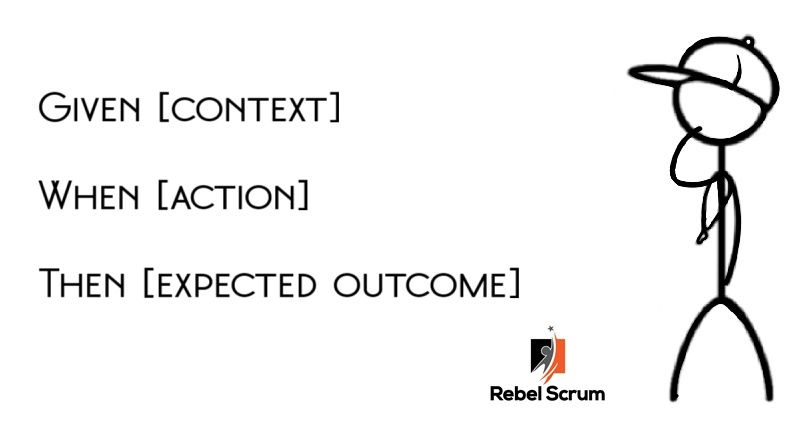
The Gherkin format is a structured way to describe software behavior using a simple and readable syntax: Given [context], When [action], Then [expected outcome].
This structure helps teams clearly describe how the software should behave in specific situations. It reduces ambiguity and makes requirements easier for both technical and non-technical stakeholders to understand.
Why Gherkin?
The power of Gherkin lies in its simplicity. It describes behavior from the user’s perspective in a repeatable, testable way. And because each scenario follows the same consistent structure, teams can quickly align on what “done” means.
Gherkin is especially useful for teams that:
Use automated test scripts
Rely on regression testing
Need clear, behavior-driven specifications
Work in environments where multiple teams or systems must integrate
Gherkin scenarios can often be plugged directly into automation frameworks such as Cucumber, creating a seamless bridge between requirements and testing.
Writing Scenarios in Gherkin
A Gherkin scenario focuses on behavior — what the system should do under specific conditions. For example:
Scenario:
Saving a shopping cart:
Given I am an online shopper with items in my cart,
When I click “Save Cart”
Then my cart should be saved so I can return and complete my purchase later
This format ensures the team understands who the scenario is for, what action triggers the behavior, and what outcome indicates success. It transforms fuzzy requirements into clear, testable scenarios.
Gherkin vs. Acceptance Criteria
Gherkin is one way to write acceptance criteria — not the only way.
Some teams prefer simple bullet points. Others prefer full Gherkin scenarios. The right choice depends on how the team works, what tools they use, and how much structure they need.
For teams with automated tests, Gherkin often integrates beautifully into their workflow. For teams who don’t need that level of precision, a simpler format may work just as well.
When Not to Use Gherkin
Just like user stories, Gherkin shouldn’t be forced into every situation.
Gherkin works best for describing observable behavior. It is not a good fit for backend-only improvements, infrastructure changes, large-scale refactoring, or technical debt reduction. Those items are often clearer when written in plain language rather than trying to fit them into a behavior-driven template.
Gherkin Helps Create Shared Understanding
The real value of Gherkin is not its syntax — it’s the shared clarity it brings.
Gherkin ensures the team, stakeholders, and testers all understand what is expected. It uncovers assumptions early, invites conversation, and helps teams avoid surprises late in the Sprint.
When used thoughtfully, it strengthens collaboration and improves the quality of the Increment.
Conclusion
The Gherkin format is a complementary practice that helps teams describe system behavior in a simple, structured, and testable way. While not required in Scrum — and not needed for every type of work — Gherkin is particularly valuable for teams using automated testing or managing large regression suites.
By using Gherkin where it makes sense, teams can improve clarity, reduce ambiguity, and strengthen alignment across the Scrum Team and with stakeholders. And ultimately, that leads to a more effective and predictable Product Backlog.


