Scrum and Continuous Improvement
Updated: Sep 8

One of the great things about Scrum that is not talked about enough is the fact that — done well — Scrum is an engine for continuous improvement.
For example:
The Product Backlog is continuously refined during every Sprint so we’re always working on the highest value items.
In Sprint Planning, the team selects a Sprint Goal and creates a plan to deliver it.
Every single day in the Daily Scrum, the team checks if they’re on track and adjusts their plan right then and there.
In the Sprint Review, stakeholders look at what was actually delivered and gives feedback so the team can course-correct. The forecast or roadmap gets updated based on real performance and feedback.
In the Retrospective, the team sits down and honestly asks, “How can we get better at how we work together?”
That’s real improvement happening continuously at multiple levels — not once a year during some big, painful review.
Empowerment Makes It Possible
Continuous improvement can’t really happen unless the team is empowered. It’s strange to people coming from a traditional waterfall background, but the more you try to command and control creative work, the less effective the team becomes.
We hire smart, capable people for their expertise. Then we often turn around and micromanage them or tie their hands with unnecessary process. Why hire experts if you’re not going to let them use their expertise?
When you have a Product Owner who’s actually empowered to decide what delivers real value, and developers who are trusted to figure out how to do the work, something powerful happens. The people closest to the work finally get to use their brains.
The Scrum Master’s Real Job
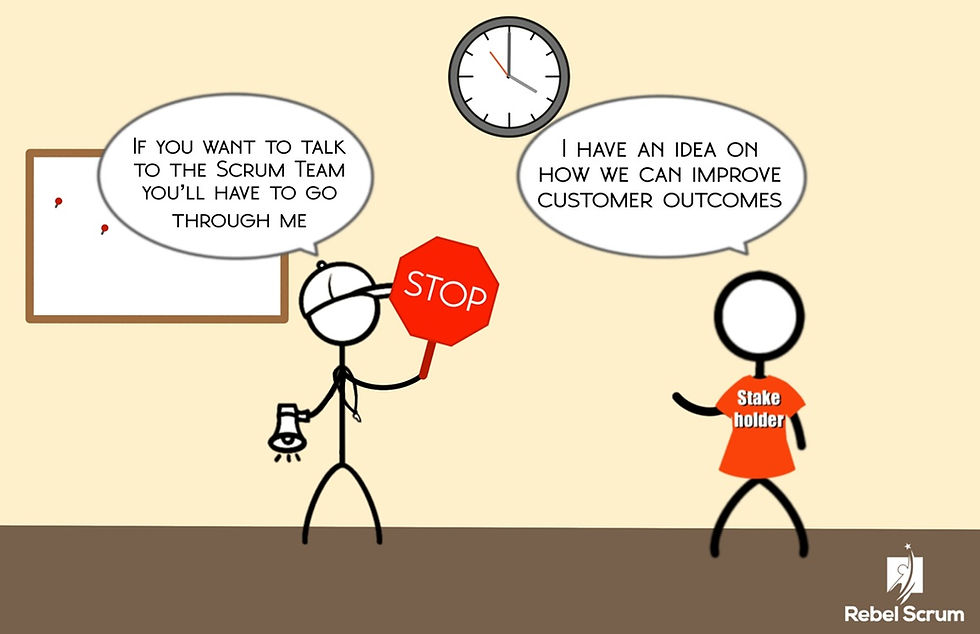
This is where the Scrum Master comes in. Your job isn’t to tell everyone what to do. It’s to help the team get better at managing themselves and to coach leadership so they stop rewarding busywork and start rewarding real progress toward customer outcomes.
When that alignment happens — empowered Product Owner, self-managing developers, and incentives focused on actual value — the team’s creativity gets unleashed.
Bottom Line
Scrum done well isn’t just a way to deliver software. It’s a framework that helps the whole organization get better at getting better, Sprint after Sprint. That's because the Scrum team can escalate impediments or things that are holding them back. Like difficult change control procedures or leadership misalignment. The Scrum team provides feedback to the organization itself, so that the organization, too, can adapt.
If your team is “doing Scrum” but nothing is really improving, you’re missing the point. The framework gives you the events, but real continuous improvement only kicks in when you empower the people doing the work to own both the “what” and the “how.”
That’s when Scrum stops feeling like just another process and starts feeling like a real advantage.